
There is nothing quite like the panic of watching a massive excavator or a critical backup generator start coughing out dark smoke right when your project is hitting its busiest hour. Whether you are running a fleet near Sharjah or keeping an industrial plant active in Pakistan, fuel issues can bring your entire operation to a grinding halt. When your machinery starts losing power or gulping down diesel way too fast, the problem usually points back to your fuel delivery. Sourcing the right Cat injector as a replacement can be incredibly frustrating because Caterpillar has used different designs over the years. At Al Burhan, we have spent over a decade helping operators resolve these exact issues, ensuring they get the right part the first time without all the guesswork.
The fuel system is essentially the heart of your engine’s combustion process. If the fuel is not spraying exactly when and how it is supposed to, your performance will plummet. Let’s break down the main fuel system styles so you can figure out what is running under your hood.
How to Choose the Right Cat Injector for Your Specific Machine
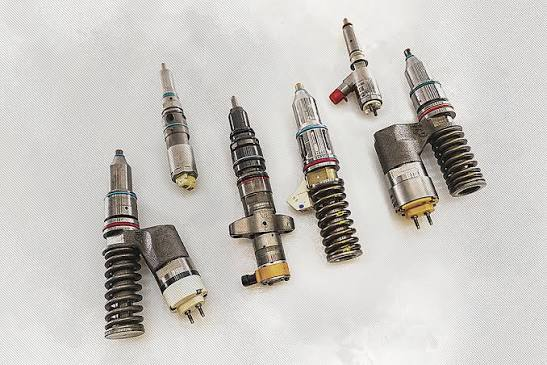
Caterpillar engines rely on three main styles of fuel delivery. Knowing which one is under the hood changes how you maintain your machine and helps prevent unexpected breakdowns.
- Oil-Powered Systems (HEUI): Found in classic, mid-sized engines like the C7 and C9, this setup uses engine oil under high pressure to spray fuel into the combustion chamber. If you skip your oil changes, dirty oil will quickly wear out the tiny internal valves in these parts.
- Camshaft-Driven Systems (MEUI): Common in heavy-duty engines like the C15, this design uses the mechanical movement of the engine’s overhead cam to build pressure, while a digital plug handles the timing. They are incredibly tough but need precise adjustments during a rebuild.
- Pressure-Rail Systems: Newer engines use a shared high-pressure line that stays packed with fuel, allowing the computer to open the fuel paths digitally. This makes the engine run incredibly quiet and clean, but it hates dirty fuel. Even a tiny speck of dust in the tank can cause a massive failure.
Fuel System Style Comparison Table
| Fuel System Style | How Pressure is Made | Common Engine Models | Main Maintenance Task |
| Oil-Powered | High-pressure engine oil | C7, C9, 3126 | Frequent, high-quality oil changes |
| Camshaft-Driven | Mechanical overhead cam | C15, C18, 3406E | Regular valve adjustments |
| Pressure-Rail | Shared fuel rail pump | C4.4, C7.1, C13 | Superior fuel filtration |
Warning Signs of Fuel System Trouble
Catching a fueling issue before it causes permanent engine damage can save your business thousands in repair costs. Keep an eye out for these clear warning signs:
- Thick Black Exhaust Smoke: If your machine looks like a steam locomotive, your fuel components are likely stuck open or dripping fuel rather than producing a clean mist. This leaves unburnt fuel to turn into heavy black soot.
- Diesel Scent in the Oil Pan: This is a major emergency. Worn internal seals can allow raw diesel fuel to leak downward into the crankcase. Diesel thins out motor oil, destroying its ability to protect bearings and potentially locking up the entire engine block.
- Long Crank Times: If your operator has to hold the key down for twenty or thirty seconds before the machine finally stumbles to life, the fuel system is struggling to build the necessary starting pressure.
Quick Diagnostic Checklist for Operators
- Verify the Serial Number: Always check the exact engine prefix before ordering any replacement parts, as subtle changes happen mid-production.
- Perform a Cylinder Cutout Test: A technician can use a laptop to turn off individual fuel lines while the engine runs, revealing exactly which cylinder is misfiring.
- Check Fuel Supply Pressure: Make sure your primary lift pump is actually pushing enough fuel to the main system before blaming the individual injection units.
A Reliable Way Forward
Sourcing heavy parts should never feel like a game of chance. When your machinery starts pushing out warning signs, putting off the repair or buying the wrong component only creates bigger bills down the road. At Al Burhan, we treat your business like our own, combining honest advice from people who know engines with the exact parts, like Cat injectors, you need to get back to work.
Your fleet needs components that can withstand heavy workloads and intense daily heat without failing. If your team is noticing a drop in power or getting ready for a major service, our knowledgeable team is here to help you sort through the details. You can check out our full range of heavy equipment solutions and fuel components right on our website, where we help you keep your business running at its absolute best.
FAQ Section:
Why do these fuel parts require specific calibration codes?
Modern electronic fuel components are built to such tight tolerances that no two are perfectly identical. Manufacturers laser-etch a unique sequence of numbers on top of the housing. When you install a new part, you must program this code into the engine’s main computer so it can adjust the electrical signal to match that specific unit’s exact flow rate.
Can I clean a clogged unit instead of replacing it?
While superficial dirt can sometimes be cleaned off the exterior tip, internal wear cannot be scrubbed away. If the tiny internal valves or springs are worn down by bad fuel or dirty oil, the only real solution is a full component replacement or a professional rebuild.
What is the main cause of premature fuel system failure?
Contamination is responsible for the vast majority of early failures. Whether it is water getting past a cheap fuel-water separator or fine dust slipping through a generic filter, foreign particles will quickly destroy the precision metal surfaces inside the assembly.
Should I replace all units at once if only one fails?
If the failure was caused by an isolated mechanical issue, replacing just one unit is fine. However, if the failure was caused by dirty fuel or high mileage, all the units have suffered the same wear. Replacing them as a complete set prevents you from repeatedly opening the engine.


